Читать онлайн Мира Рейн - The Quiet Talisman
THE QUIET
TALISMAN
Modern Protective Magic for Yourself,
Your Home, and Your Loved Ones
MIRA RAIN
CONTENTS
A Note from the Author
This book is about making your life calmer and more secure through simple rituals. You will find no frightening stories, no curses, and no promises of miracles delivered on schedule. There is salt, a candle, water, thread, a word, and your attention. That is enough to begin.
I wrote this book for someone who has never held anything “magical” in their hands except a box of matches and a packet of salt. Perhaps you have come here out of curiosity. Perhaps you have been through a difficult period when home stopped feeling like a place of rest and your energy seemed to drain away for no apparent reason. Or perhaps you simply want to protect the people you love and are looking for a language to express that desire. All three are good reasons.
What I Mean by Magic
To me, magic is a conscious action infused with intention. You do something with your hands, speak words, and spend a few minutes fully present in what you are doing. A ritual gathers scattered attention into a single point and tells you, your home, and your loved ones: there is a boundary here, there is someone who tends this place, and this space is held with care.
Some people explain a ritual's effects through subtle energies, others through psychology, and still others through traditions that predate any explanation. I will not argue with any of them. What matters more to me is that after a well-performed ritual, a person straightens their shoulders, the air at home feels easier to breathe, and anxiety stops calling the shots. This book can be read from any worldview: by believers, skeptics, and those who simply want beautiful rituals for the home.
Why Protection?
Protective magic is among the oldest and most practical forms of magic. A horseshoe above the door, a pin on the inside of a child's garment, a pinch of salt thrown over the shoulder, a red thread tied around the wrist—all are protective customs that have survived because people needed them. Human beings have always wanted to draw a circle around their hearth and declare: trouble shall not cross this threshold.
Modern life has added new anxieties to the old ones. We live in apartment buildings where other people's arguments seep through the walls. We spend hours online, where a few words can easily wound us. We grow tired of noise, endless news feeds, and other people's expectations. Protection today, therefore, is not just about the “evil eye.” It is about personal boundaries, rest, and learning to close a door with more than just a lock.
What You Will Find in This Book
This book is built like a staircase. First comes the foundation: intention, ethics, grounding, and simple tools. Then comes cleansing, because it makes sense to protect what has been cleared. Next are three great circles: yourself, your home, and your loved ones. After that come difficult situations and an honest discussion of when magic is not the answer at all. Finally, you will find practices for a year, a lunar month, and a thirty-day program that offers a convenient place to begin.
I draw freely from different traditions. You will encounter Slavic protective charms and European candle magic, work with stones and herbs, knot spells, breathing exercises, and thoroughly modern techniques such as protecting your phone. This approach is called eclecticism. Its meaning is simple: take what resonates with you and build your own practice, just as you would assemble a first-aid kit suited to your family.
All the spells and ritual texts in this book were written by me specifically for this book. You may use them as they are, but you can—and should—adapt them to suit yourself. In Chapter 16, I will show you how to write your own.
What I Ask of You
Do not rush. One ritual performed calmly and with understanding is worth more than ten performed in haste and fear. Do not frighten yourself. If any page leaves you feeling more anxious than before, close the book, have a cup of tea, and return to the chapter on grounding. And do not use magic as a substitute for things that require other solutions: a doctor, a lawyer, an honest conversation, or a sturdy lock. Rituals work well alongside sensible action and poorly in its place.
May your home be warm and your threshold strong.
How to Use This Book
Read Part I from beginning to end, then turn to whichever sections you need at the moment. Chapters 1–6 provide the foundation without which the remaining rituals become little more than a collection of gestures. Everything else can be explored in any order.
How the Rituals Are Organized
Each ritual follows the same structure so that you can quickly find what you need:
•
Purpose — what the ritual is intended to accomplish.
•
When — the recommended time; if you cannot afford to wait, do it now.
•
What You Need — a list of items, almost always ordinary household supplies.
•
The Ritual — the steps in order.
•
Words — the text you may speak aloud or silently.
•
Afterward — what to do with the remains and how to close the ritual.
•
Notes — substitutions, simpler alternatives, and common mistakes.
The timing suggested for rituals is a recommendation, not a law. A ritual performed on the “wrong” day with a clear mind is better than one postponed for three weeks while you wait for the perfect Moon.
Three Levels of Complexity
Each ritual is marked with one of the following labels:
•
Simple — takes up to ten minutes and requires no preparation. Start with these rituals.
•
Intermediate — requires half an hour, a quiet setting, and several items.
•
In-Depth — a major ritual lasting an hour or longer that is best prepared for in advance.
If you are a complete beginner, turn to Chapter 41. It lays out thirty days of practice, with one small step for each day.
Substitutions Are Welcome
No white candle? Use any light-colored one. No wormwood? Try rosemary or a bay leaf from your kitchen cupboard. No black tourmaline? A smooth stone picked up on a walk will do. Appendix A contains tables of correspondences to help you choose alternatives. Do not postpone a ritual because you lack something: folk traditions have always made use of whatever was available.
The Words
You may change the wording of spells. What matters is that the language feels like your own. If solemn phrases make you uncomfortable, express the same meaning in simple words. You may speak aloud, whisper, or say the words silently. Speaking aloud often feels more powerful because your voice engages your body, but a whisper works just as well in a shared room or beside a sleeping child.
Your Notebook
Start a notebook on your very first day. Record the date, what you did, how you felt before and after, and what changed over the following week. After a couple of months, your notebook will become your most useful guide: you will see which rituals suit you best. Chapter 42 explains how to keep this kind of record.
Important Precautions
Please read this section carefully. It is shorter than it looks.
Fire. Never leave a burning candle unattended. Place it on a stable, nonflammable surface, well away from curtains, paper, hair, and loose sleeves. If a ritual calls for a candle to “burn all the way down on its own,” place it in a deep bowl of sand or in a sink, and remain at home while it burns. Longer rituals can be divided across several evenings, extinguishing the candle with a snuffer or spoon between sessions.
Smoke. Herbal fumigation is unsuitable for people with asthma or allergies, young children, pregnant people, and pet birds. Always open a window. In the cleansing chapters, every smoke-based ritual has a smoke-free alternative: sound, salt water, or light.
Herbs and Oils. This book is neither a herbal reference nor a medical guide. Herbs are used in sachets, wreaths, and fumigation, not for ingestion. Essential oils should never be applied to the skin undiluted or taken internally. Many oils are dangerous to cats, dogs, and birds, so in homes with pets I recommend using dried herbs instead and keeping them out of animals' reach. If you are pregnant, breastfeeding, or living with a chronic condition, consult a healthcare professional before any contact with potent plants.
Salt and Water. Salt is generally safe, but it can damage parquet flooring, metal, and the soil in flowerpots. Do not leave salt on floors where a child might crawl or an animal might walk.
Health. A ritual does not cure illness. If you or someone close to you has symptoms, see a doctor. If anxiety, insomnia, or low mood persists for weeks, consult a psychologist or psychotherapist. Magic may support you along the way, but it cannot replace professional care.
Real Danger. If someone is threatening or stalking you, or if there is violence in your home, start by contacting the police, trusted people, and crisis services. Chapter 38 is devoted entirely to distinguishing situations that may benefit from a ritual from those that require other forms of help.
Other People's Free Will. This book contains no rituals designed to control, bind, or harm others. We protect what is ours without intruding on what belongs to someone else. I explain why in Chapters 3 and 36.
Part I. The Foundations
Chapter 1. What Is Protection, and What Are We Protecting Ourselves From?
Protection is a boundary you consciously establish. It separates what is yours from what belongs to others: your energy, your home, your peace of mind—all kept apart from anything you have not invited in. Good protection does not turn your home into a fortress bristling with arrow slits. It is more like skin: it lets air and warmth through while keeping out dirt.
I suggest we begin with this comparison. Skin does not wage war on the world. It simply knows where you end and everything else begins. When someone says, “I need protection,” what they usually mean is, “I have lost my sense of where my own boundaries lie.”
What Are We Really Protecting Ourselves From?
The anxieties that lead people to protective magic fall into five circles. It helps to understand which one applies to you, because each calls for different remedies.
The First Circle: Exhaustion and Drained Energy. You wake up already tired. After meeting certain people, you feel like lying down and facing the wall. Your home no longer restores you. This is the most common situation, and almost always the cause is not someone’s malicious intent but a lack of boundaries and the endless expenditure of your energy. Grounding, a daily protective shield, and a more orderly home can help.
The Second Circle: Other People’s Emotions. A colleague’s envy, a neighbor’s irritation, a relative’s resentment, a hostile stare on public transport. Folk traditions called this the evil eye and treated it matter-of-factly, like a draft: unpleasant, but not a catastrophe. Close the window and wash your face. I appreciate this down-to-earth approach. Other people’s ill will is real, sensitive people notice it, and simple ways of dealing with it exist.
The Third Circle: A Troubled Place. An apartment where people were ill or argued for a long time before you moved in. A room you do not want to enter. A corner where clutter and bad moods seem to accumulate endlessly. An object inherited from someone unpleasant. Cleansing and establishing protection for the home are useful here.
Похожие книги

«Тайны Ленорман. Полное руководство по толкованию карт и сочетаний» — это практическое пособие для изучения системы оракула Ленорман, предназначенное как для начинающих, так и для опытных практиков. В книге подробно раскрываются значения каждой карты расширенной колоды, их символика, исторические корни и особенности интерпретации в различных сферах жизни: любви, отношениях, работе, финансах и здоровье. Особое внимание уделено сочетаниям карт, позволяющим глубже понимать расклады и видеть взаимосвязь событий. Материал изложен доступным языком и сопровождается многочисленными примерами толкований, что делает книгу удобным справочником для самостоятельного обучения и практического применения.

Максим Ветров — успешный IT-архитектор, живущий по четкому плану. Карьера, деньги, статус — у него есть всё, кроме ощущения, что он действительно живет своей жизнью. После загадочного психосоматического сбоя и аварии, едва не стоившей ему жизни, Максим начинает видеть мир иначе. Таинственная Алиса приводит его в Орден стеклянных часов — сообщество людей, изучающих скрытые механизмы внимания, выбора и человеческого сознания. Проходя испытания, Максим учится управлять эмоциями, замечать ловушки мышления и слышать собственный внутренний компас. Но вскоре он сталкивается с могущественной корпорацией «Логос», которая использует те же знания для контроля над людьми через страх, привычки и информационный шум.

I AM ALLOWED EVERYTHING I DREAM OFAffirmations for Fulfilling Desiresby Mira ReinWhat if you stopped waiting for permission to live the life you truly want. This book is an invitation to reconnect with your desires, transform limiting beliefs, and open yourself to new possibilities. Through powerful affirmations, you will learn to shift your inner dialogue, strengthen self-worth, release the fear of wanting more, and embrace the possibility of a happier, richer, more fulfilling life. Whether you dream of love, abundance, confidence, freedom, or a fresh start, these words can become a daily reminder that your desires matter and your future is not defined by your past.

The Quiet Talisman: Modern Protective Magic for Yourself, Your Home, and Your Loved OnesDiscover the art of protective magic with Mira Rain. This practical guide introduces simple rituals using candles, salt, water, herbs, stones, and red thread to help you create a peaceful home, strengthen personal boundaries, and care for yourself and your loved ones. Explore original spells, grounding and breathing exercises, candle magic, lunar correspondences, seasonal rituals, and a practical 30-day program designed to help you build your own protective practice. This is not a book about fear or impossible promises.

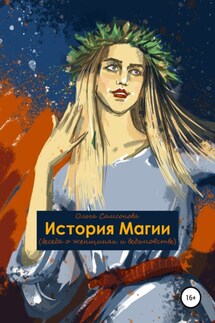
Кто вообще такие ведьмы. Откуда пошли популярные стереотипы о них. Как психология дружит с магией. Такие вопросы возникли, когда на четвертом году практики психолога я увлеклась эзотерикой. В поисках ответов, пришлось добраться до истоков человечества – первобытного общества и проследить, как развивалась магия, образовывалась мифология и религия, а затем все это высокомерно сменяла наука и так далее. Свои находки я для удобства оформила в эту книгу-беседу. Повторюсь, я психолог и эзотерик, а не историк. Поэтому здесь достаточно вольный пересказ самых важных вех в развитии истории, в том числе гендерной.
Hugh Mechta has hallucinations, and he is determined to find a cure for them. After visiting unhelpful doctors, he stumbles across Masha the Mystic and her advice to remedy his curious ailment. She determines that Hugh must connect with others. In the search to rid the theatre of his mind from projecting fanciful visions onto reality, Hugh meets an eccentric young girl whose hidden emotional agony mirrors the struggles of his own childhood. Unbeknownst to Hugh, this girl leads him down the path to understanding not only his hallucinations, but his past. Tasya is a story with hints of humor, traces of absurdity, and pinches of tragedy that all coalesce into the theme of letting go of the past and connecting with those in the here and now.
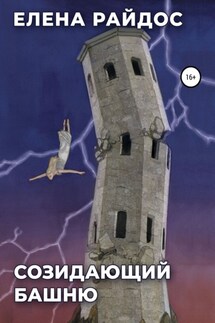
Люди по-разному относятся к событиям своей жизни. Кто-то считает, что всё предопределено от рождения, и нет смысла дёргаться, плыви себе по течению, отдавшись на волю всевышнего. Иные, напротив, уверены, что будущее полностью зависит только от их действий, а милость богов – это от лукавого. Истина, как обычно, лежит посередине. На самом деле наша жизнь – это борьба предопределённости и воли человека. В ней действительно заранее прописаны определённые сценарии, которых нам не избежать, но только от нашей воли зависит, как мы пройдём через испытания судьбы. Эта дилогия является продолжение истории Мастера, Охотника и Бессмертного, которых жизнь свела вместе на страницах романа «Когда солнце взойдёт на западе».

